


A mortgage payment is only part of the cost of owning a home. Before buying in Ocala or Marion County, build a budget around the specific property: taxes, insurance, association charges, utilities, maintenance, moving expenses, and the money needed to close.
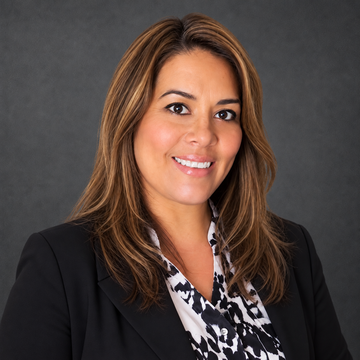
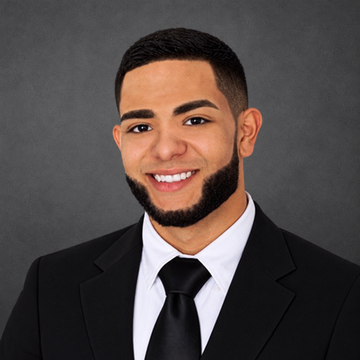
By Melissa and John Lebron, The Lebron Team at RE/MAX Premier Realty
Published November 26, 2026.

That approach helps you compare homes on more than their asking prices. A house with a lower price may have higher recurring expenses, while another may require more money upfront for repairs or setup. The useful question is whether the complete cost fits your plans.
1. Property taxes based on your purchase circumstances
The seller's current tax bill is a starting point for research. It is not a reliable promise of what you will pay after buying. Assessment limitations and exemptions can affect the seller's bill, and your circumstances may differ.
Review the parcel through the Marion County Property Appraiser and ask how to estimate taxes for your purchase. Confirm the property's jurisdiction and any non-ad valorem charges shown on the bill. Ask the appraiser about exemption eligibility, documentation, and filing requirements before including a reduction in your budget. The Florida Department of Revenue explains the state's assessment framework.
For new construction, ask whether the available tax information reflects the completed home or an earlier stage of the property. Have your lender explain the tax figure used in the payment estimate.
2. Insurance for the actual address and condition
Request a property-specific insurance quote early enough to review the answer before relevant contract deadlines. Provide accurate information about the roof, major systems, occupancy, and other details the insurer requests.
Compare deductibles, coverage limits, exclusions, and the annual premium. Florida's consumer insurance guidance explains that insurers consider factors such as property condition, location, and the age of major systems.
Ask separately about flood coverage. Most homeowners policies do not cover flood damage, and a lender's requirements are only one part of the decision about coverage. Review the National Flood Insurance Program's guidance and discuss the home with your insurance professional.
3. Association dues and other community charges
If a home belongs to an association, obtain the current documents and fee information. Identify what the regular payment includes and which services you must arrange yourself.
Ask about special assessments, transfer or application charges, amenity fees, and any district assessments affecting the property. Check the payment frequency: a quarterly charge can be easy to misread as a monthly figure. Review restrictions that matter to your intended use, including parking, exterior changes, or rentals.
4. Utilities and property systems
Confirm the providers serving the address and the costs of starting service. Ask which bills you will receive for electricity, water, wastewater, trash, internet, and any additional services you need.
A private well or septic system creates different maintenance questions from public water and sewer. Ask for available records and discuss inspections and future upkeep with qualified professionals. A pool, irrigation system, or larger yard also deserves its own budget line rather than an assumption that it will fit within ordinary utility spending.
5. Maintenance and near-term repairs
Use the inspection findings to build a property-specific plan. Separate immediate repairs, routine servicing, and larger replacements you may need to prepare for over time.
Ask which items need additional evaluation and obtain estimates where the cost could influence your decision. A general maintenance allowance can help you save, but it should not replace the information available about this particular home. The CFPB's inspection guidance explains the value of an independent condition assessment.
6. Moving and setting up the home
Include movers or truck rental, travel, storage, utility deposits, and any overlap between your current housing and the new home. Check what stays with the property before budgeting for appliances, window coverings, security equipment, or lawn tools.
Relocating buyers should also think through the timing of deliveries and access. Our Ocala relocation resources can help organize that plan before you arrive.
7. Closing costs and prepaid expenses
Keep the cash needed to complete the purchase separate from your recurring monthly budget. Ask your lender and closing professional to explain deposits already paid, loan charges, title and settlement expenses, prepaid items, initial escrow funds, and any agreed service fees.
Avoid counting taxes or insurance twice when they are included in the mortgage payment through escrow. The CFPB's Loan Estimate explainer helps identify the payment components and estimated cash needed at closing.
Use the same worksheet for every home
- Loan principal and interest: your lender's property-specific estimate.
- Taxes and insurance: verified estimates, counted once if escrowed.
- Association or district charges: monthly equivalent plus any separate charges.
- Utilities and recurring services: address-specific information where available.
- Maintenance reserve: an amount informed by condition and your plans.
- Cash needed before and at closing: inspection expenses, moving costs, and closing funds.
Common Ocala home budget questions
Does a lower asking price mean a lower monthly cost?
Not necessarily. Compare the financing estimate and the property's other expenses together. Association charges, insurance, and condition can change the comparison.
Should I use the online listing's payment estimate?
Use it as an initial illustration. Ask your lender for figures based on your financing, the address, and realistic tax and insurance assumptions.
How can The Lebron Team help?
Melissa and John help organize the property information and questions needed to compare your options. Your lender, insurer, inspector, appraiser's office, and closing professional provide the estimates and determinations within their roles.
Comparing a newly built home? Read our 10 questions before buying new construction in Ocala.
Plan your Ocala purchase with Melissa and John
Use our 12-step Ocala home buying guide, then contact The Lebron Team to discuss your search. We assist clients in English and Spanish at RE/MAX Premier Realty.
Melissa: 352-304-1084 | John: 352-256-0350
1910 SW 18th Ct, Suite 100, Ocala, FL 34471